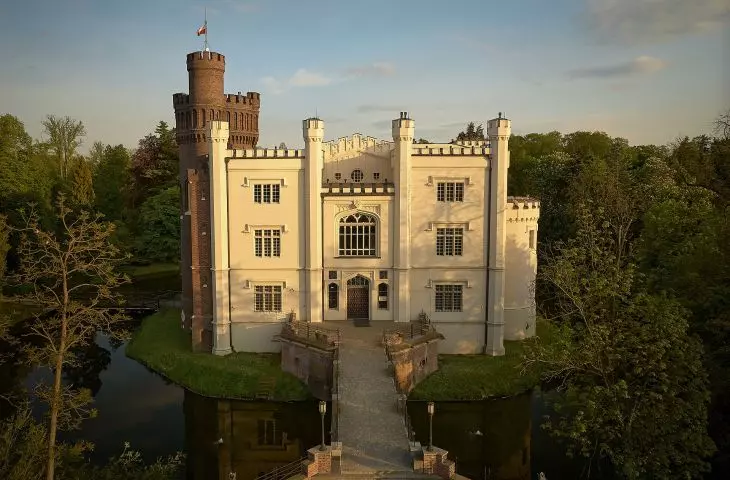
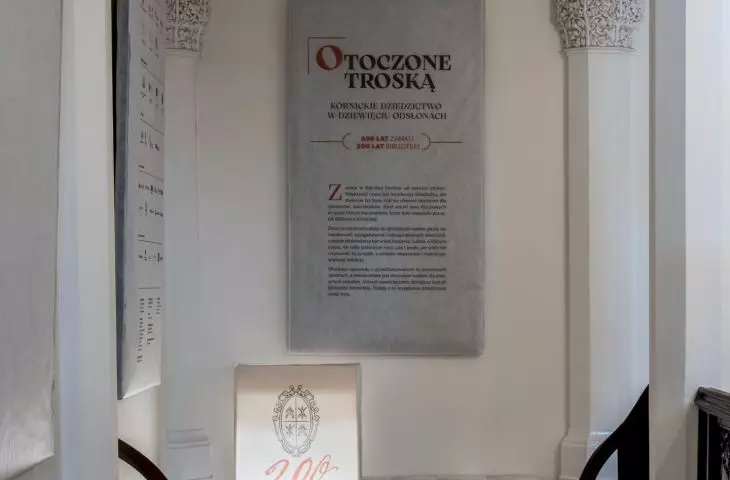



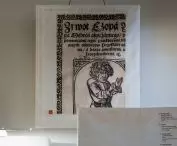
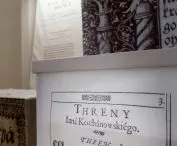

Although the history of Kórnik Castle dates back to the 15th century, it is best known for its Neo-Gothic renovation, commissioned by Count Tytus Działyński, who resided within its walls and was the founder of one of the oldest libraries in Poland — the Kórnik Library, whose collection includes, among other things, manuscripts by Polish classics such as Adam Mickiewicz, Juliusz Słowacki, and Jan Kochanowski. This year, both the Castle and the Library are celebrating important anniversaries— to mark the 600th anniversary of the Castle and the 200th anniversary of the Library, an exhibition titled “Surrounded by Care” has been organized, presented in nine sections.
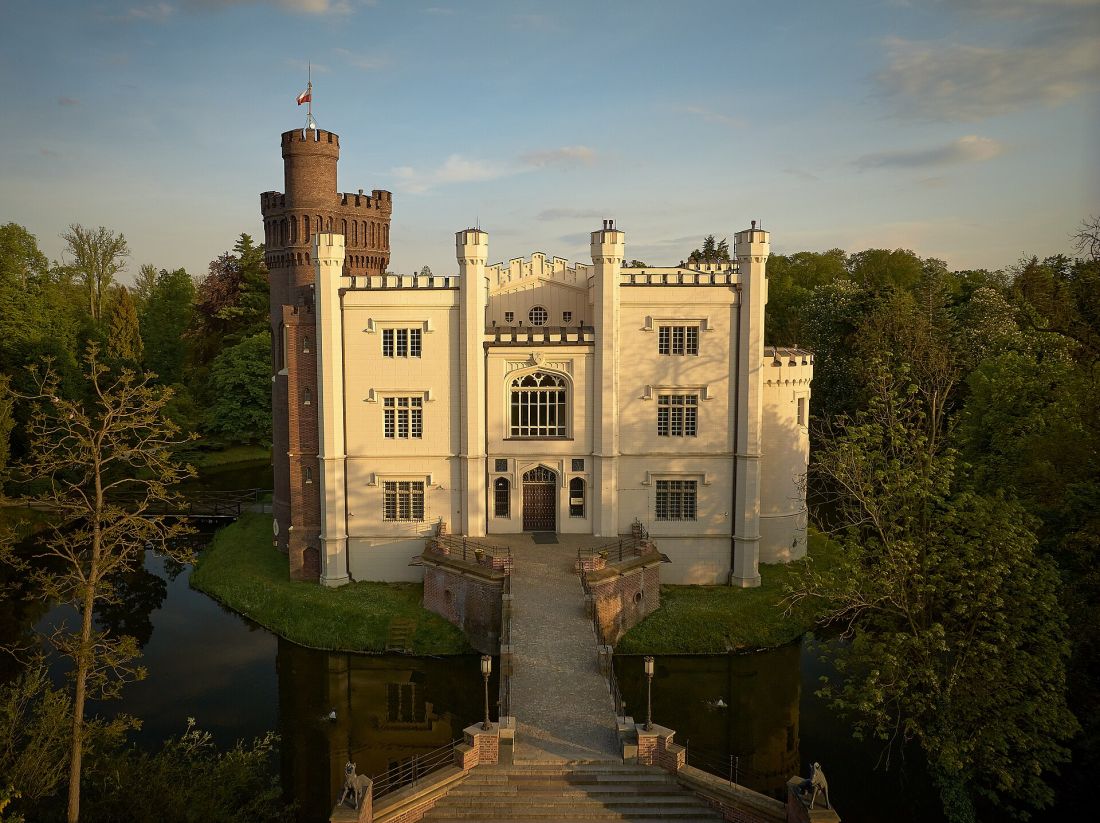
Kórnik Castle
Photo: Al.witkowski | Wikimedia Commons © CC BY-SA 4.0
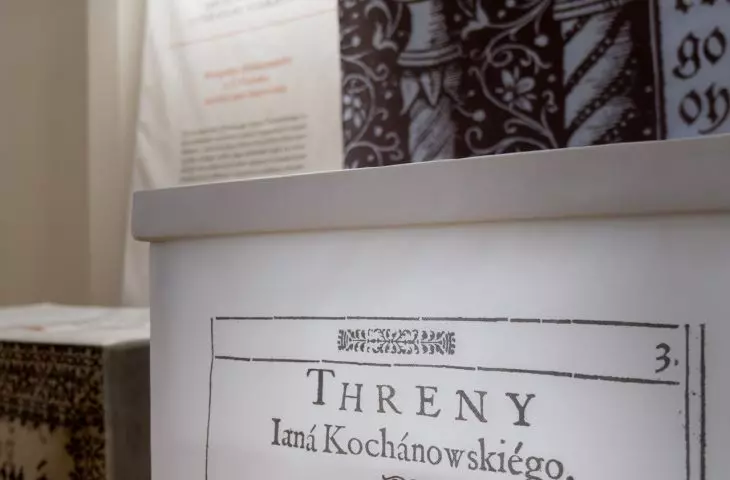
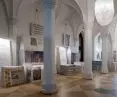
The exhibition, curated by Magdalena Biniaś-Szkopek, Małgorzata Cieliczko, and Magdalena Marcinkowska, will be on view until the end of the year. However, as the organizers emphasize, it’s worth visiting more than once—the exhibits in the display cases will be rotated! Architect Anna Pilawska-Sita is responsible for the design and concept of the exhibition layout. How did the designer decide to showcase priceless works such as the manuscript of Part III of Adam Mickiewicz’s *Dziady* or Jan Kochanowski’s *Treny*, while also ensuring their protection? This is an age-old challenge for exhibition designers—on the one hand, it is important to preserve cultural heritage in the best possible condition, and on the other, it is equally important to make it accessible to the public. This tension has become the central theme of the exhibition.
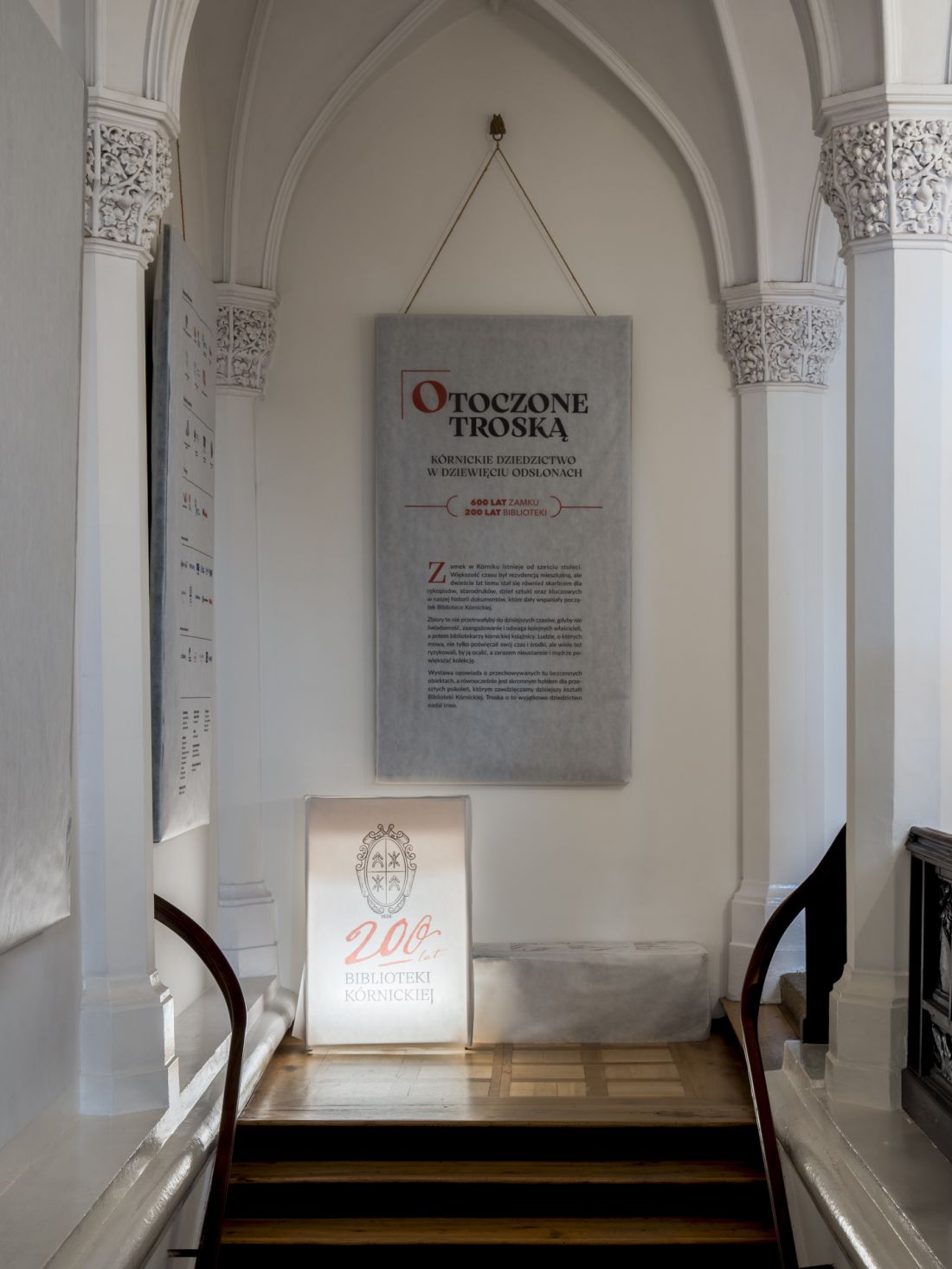
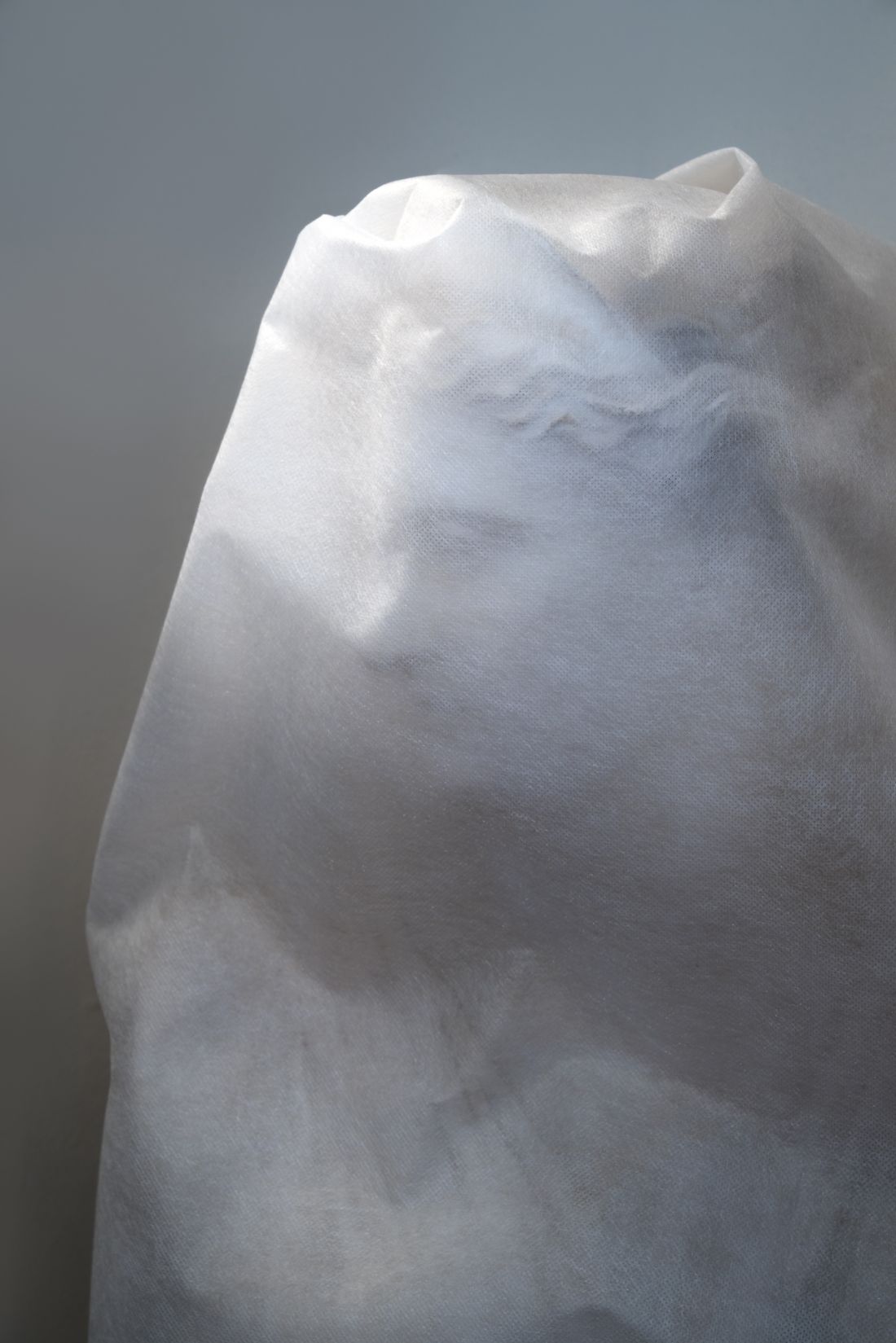
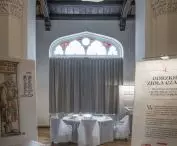
The exhibition “Surrounded by Care: The Kórnik Heritage in Nine Chapters—600 Years of the Castle, 200 Years of the Library”
Photo: Romuald Lewandowski
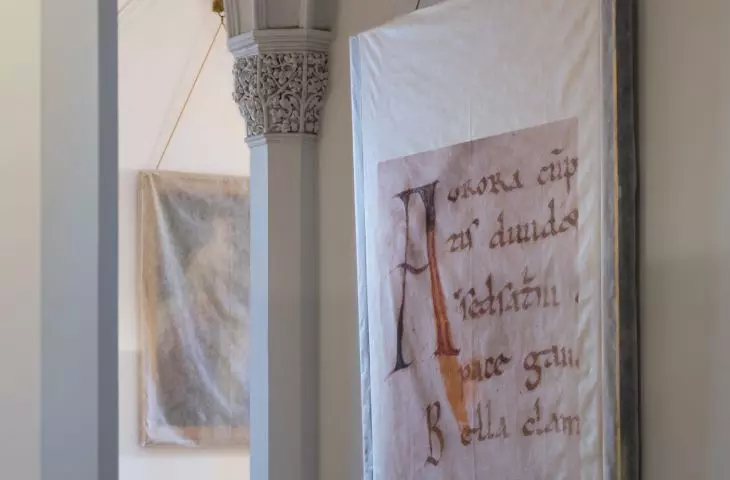
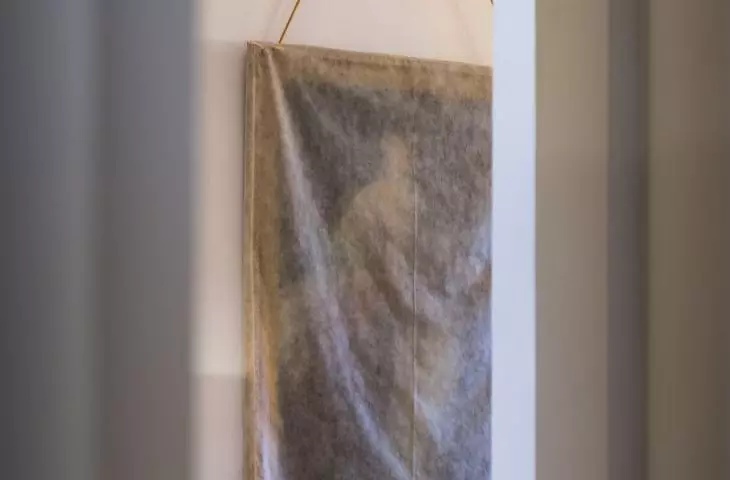
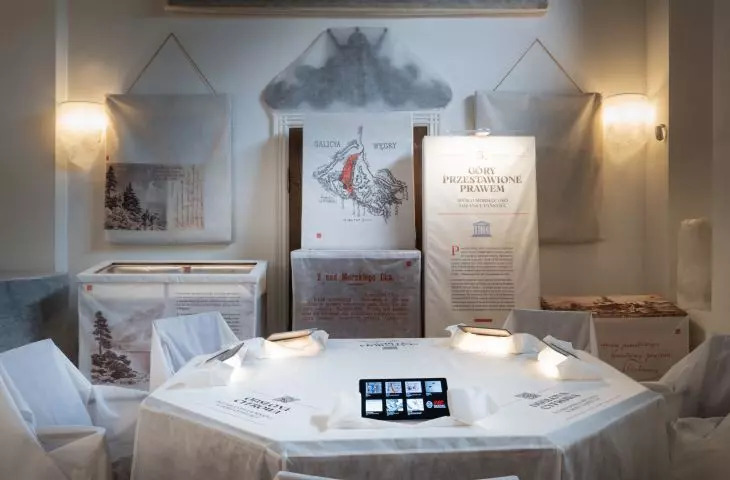
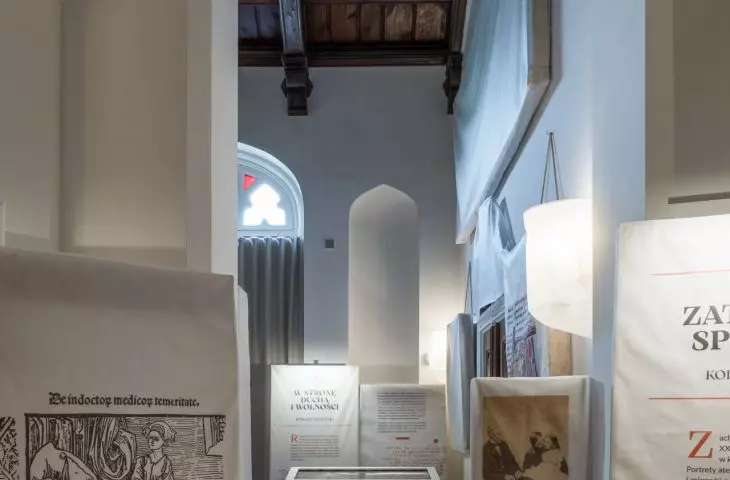
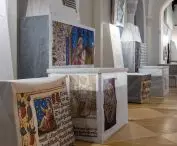
The starting point for the project was the act of covering. Known from conservation practice, where it serves to protect objects during transport or storage, it was transformed into a fundamental means of architectural expression. “We cover to draw attention. We conceal to emphasize the value, fragility, and uniqueness of what lies beneath the surface,”
— explains Anna Pilawska-Sita.
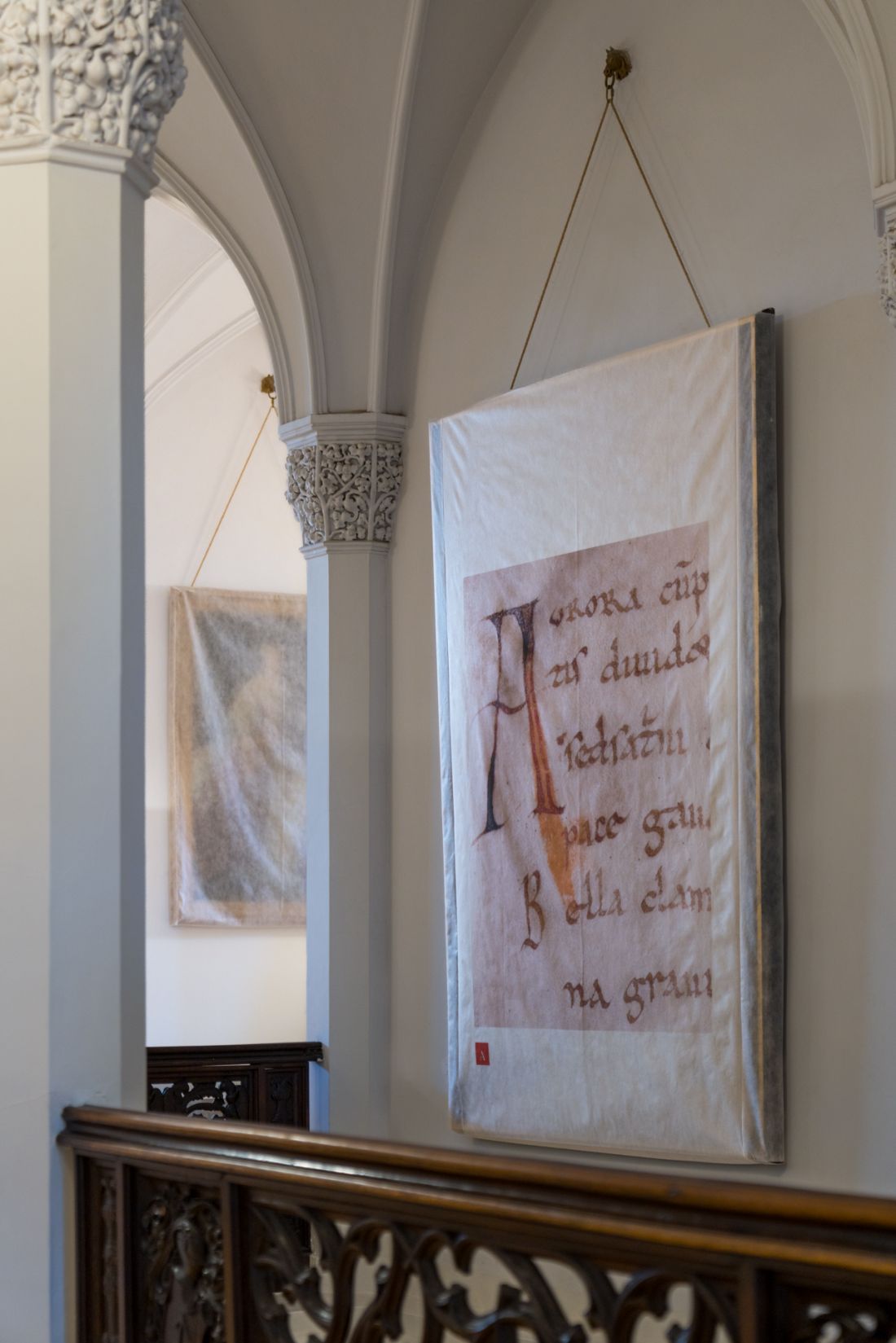
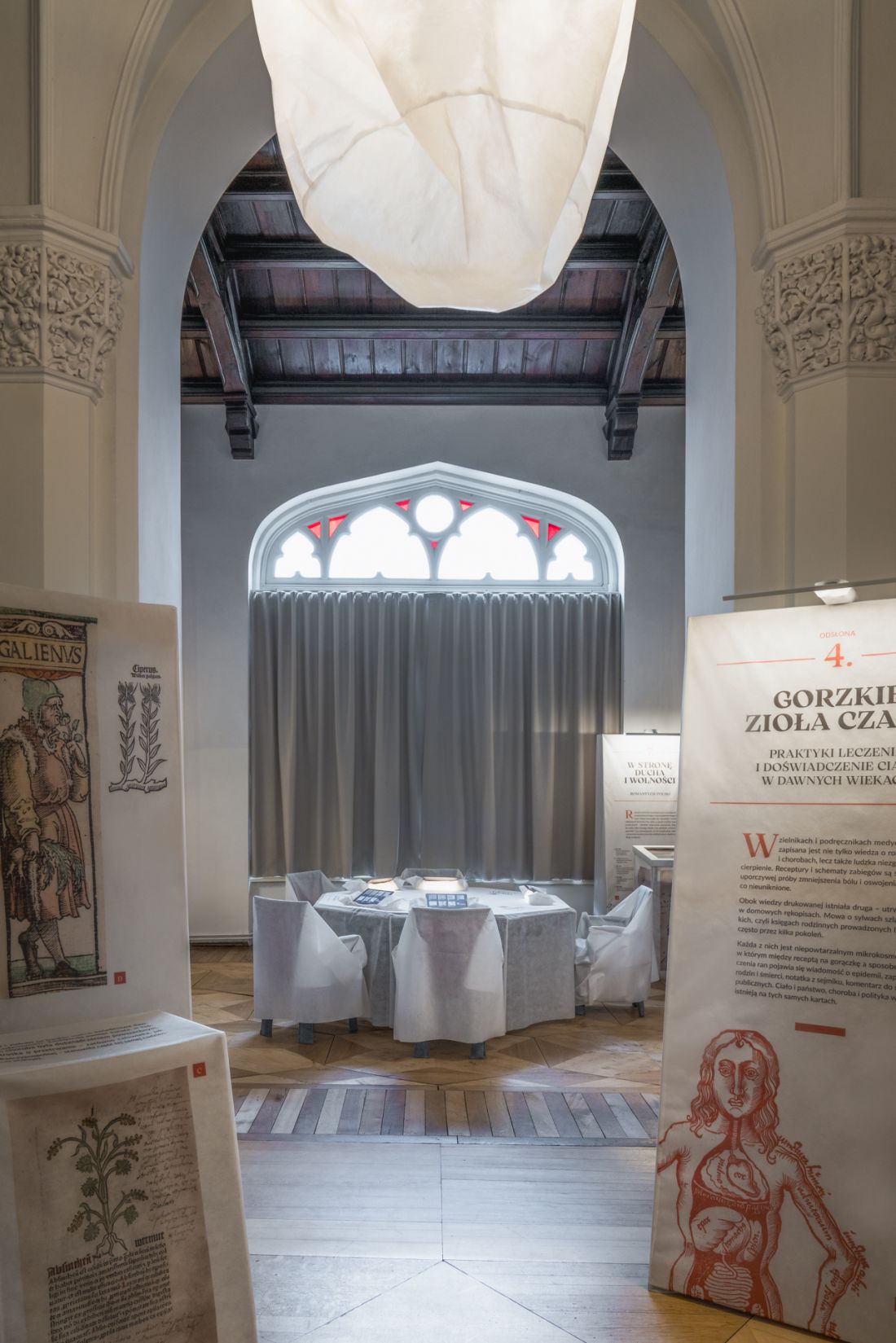
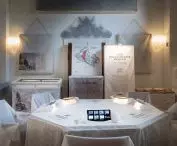
Exhibition “Surrounded by Care: The Heritage of Kórnik in Nine Chapters—600 Years of the Castle, 200 Years of the Library”
Photo: Romuald Lewandowski
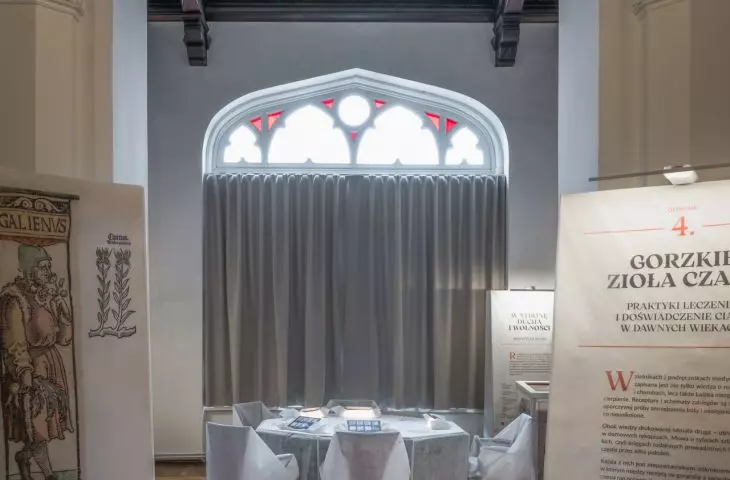
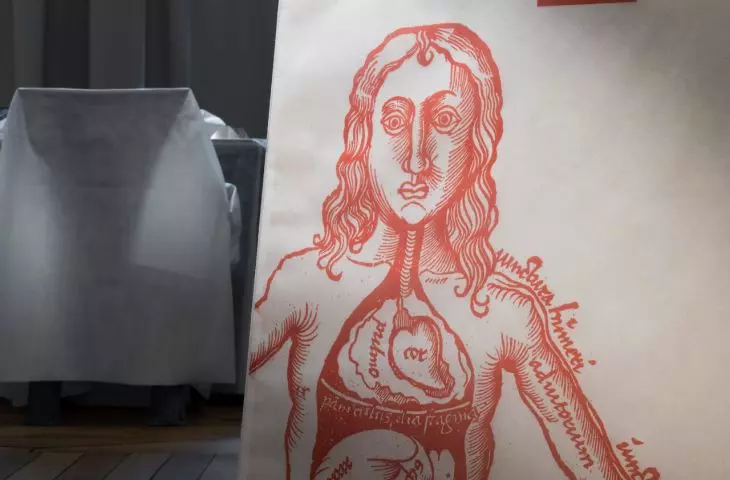
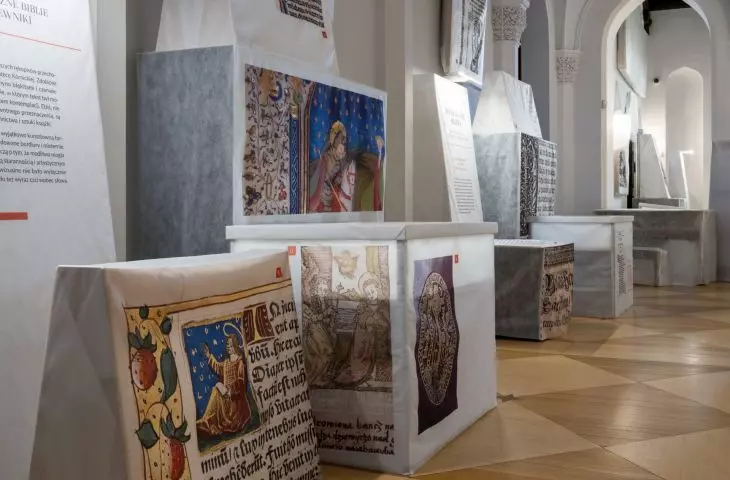
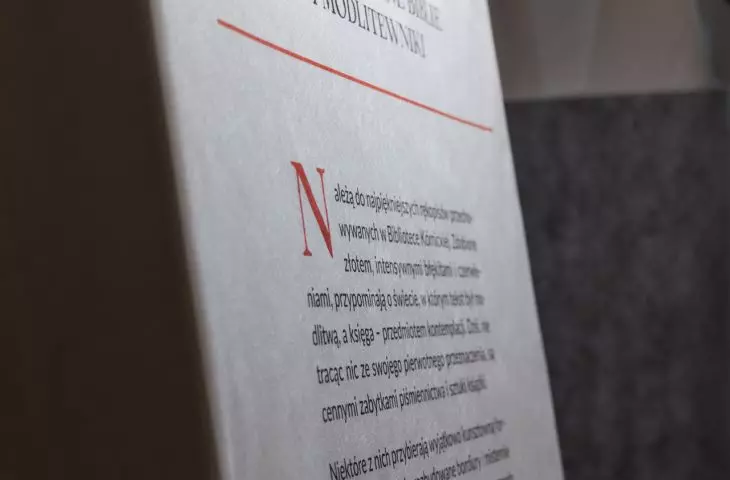
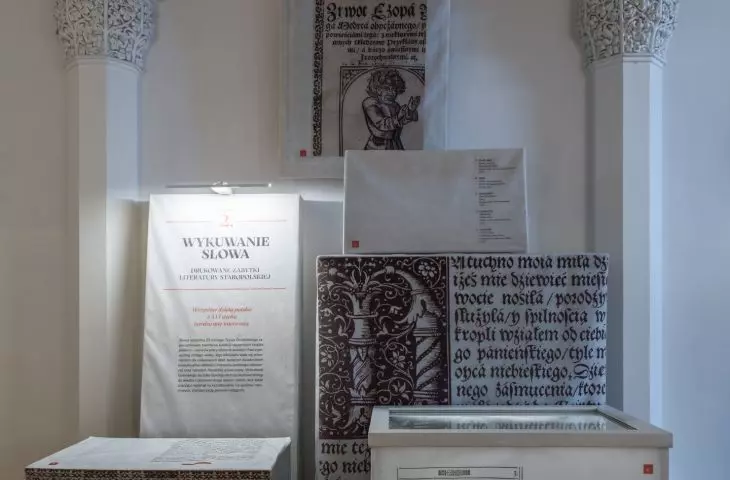
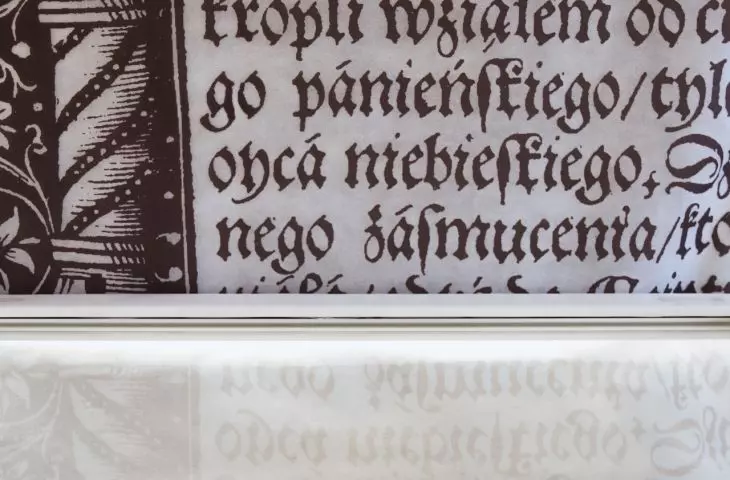
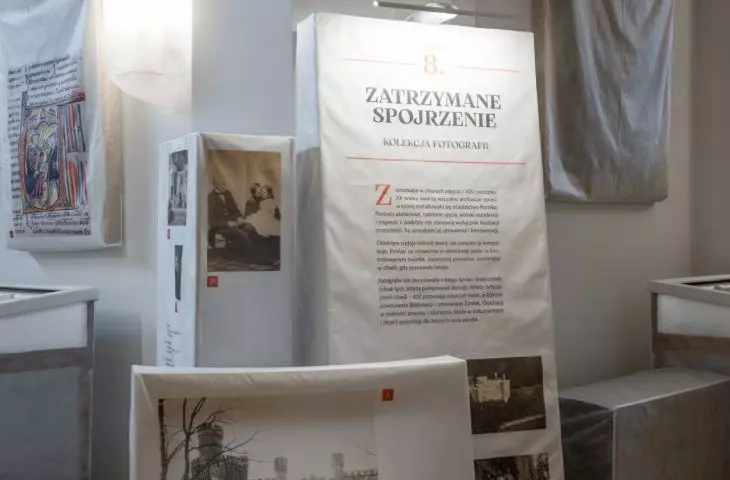
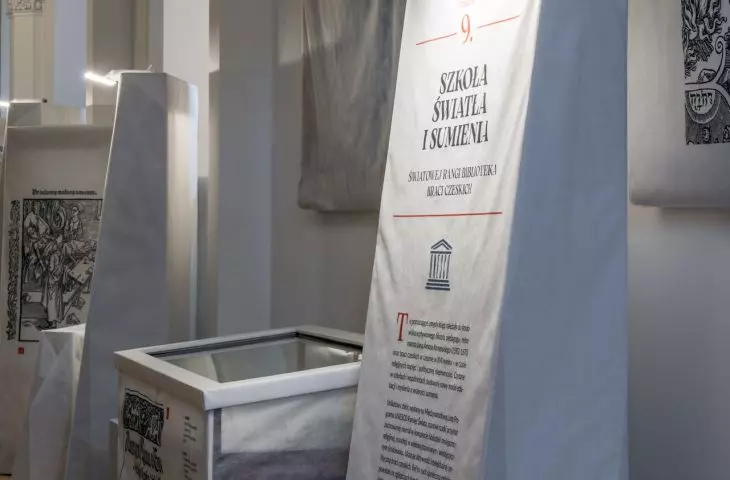
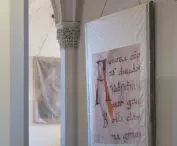
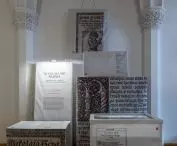
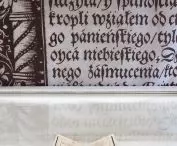
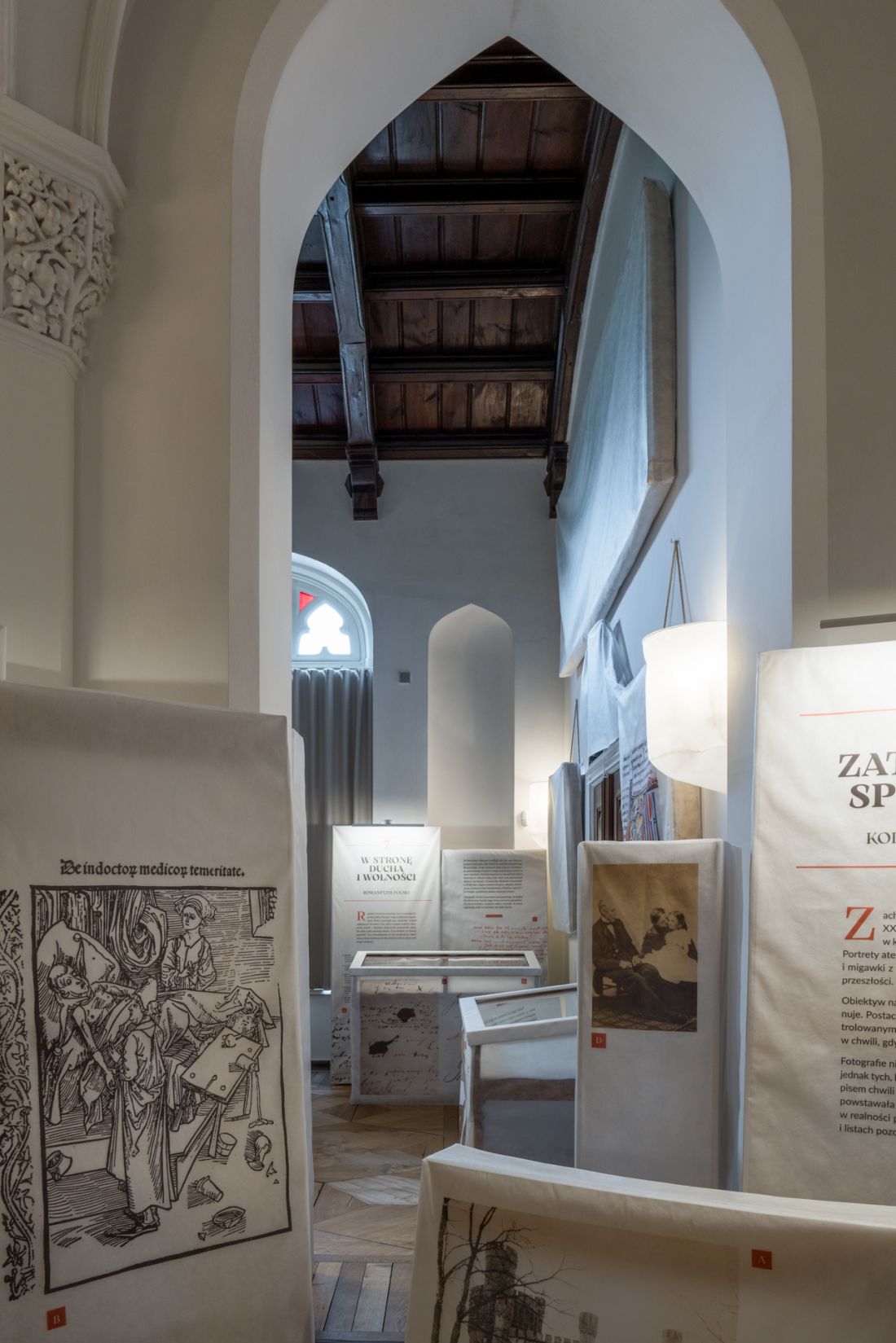
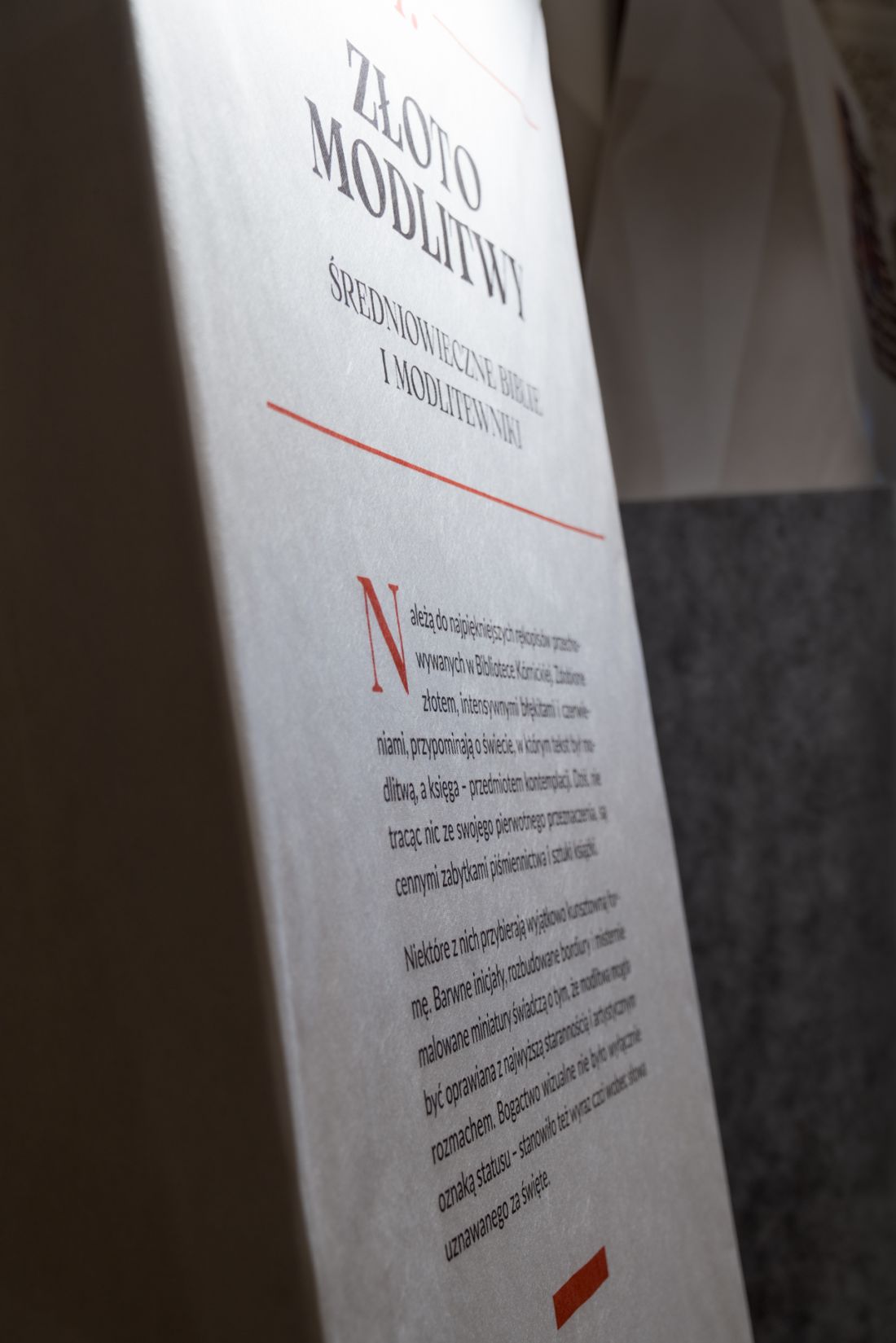
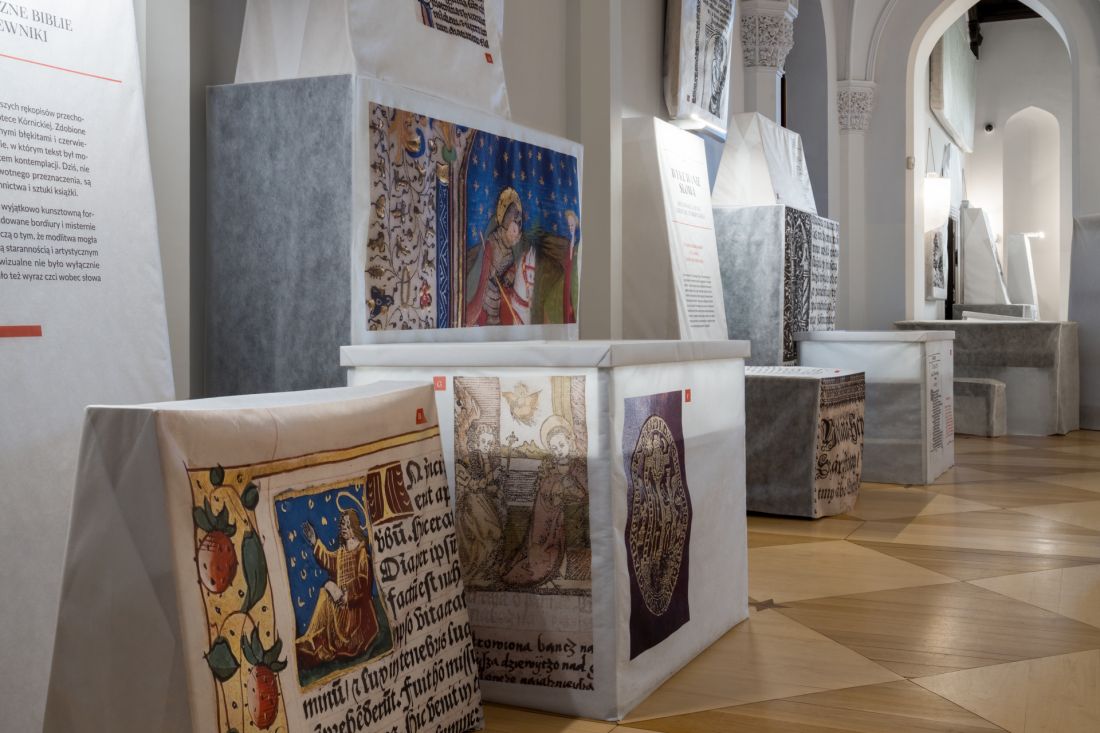
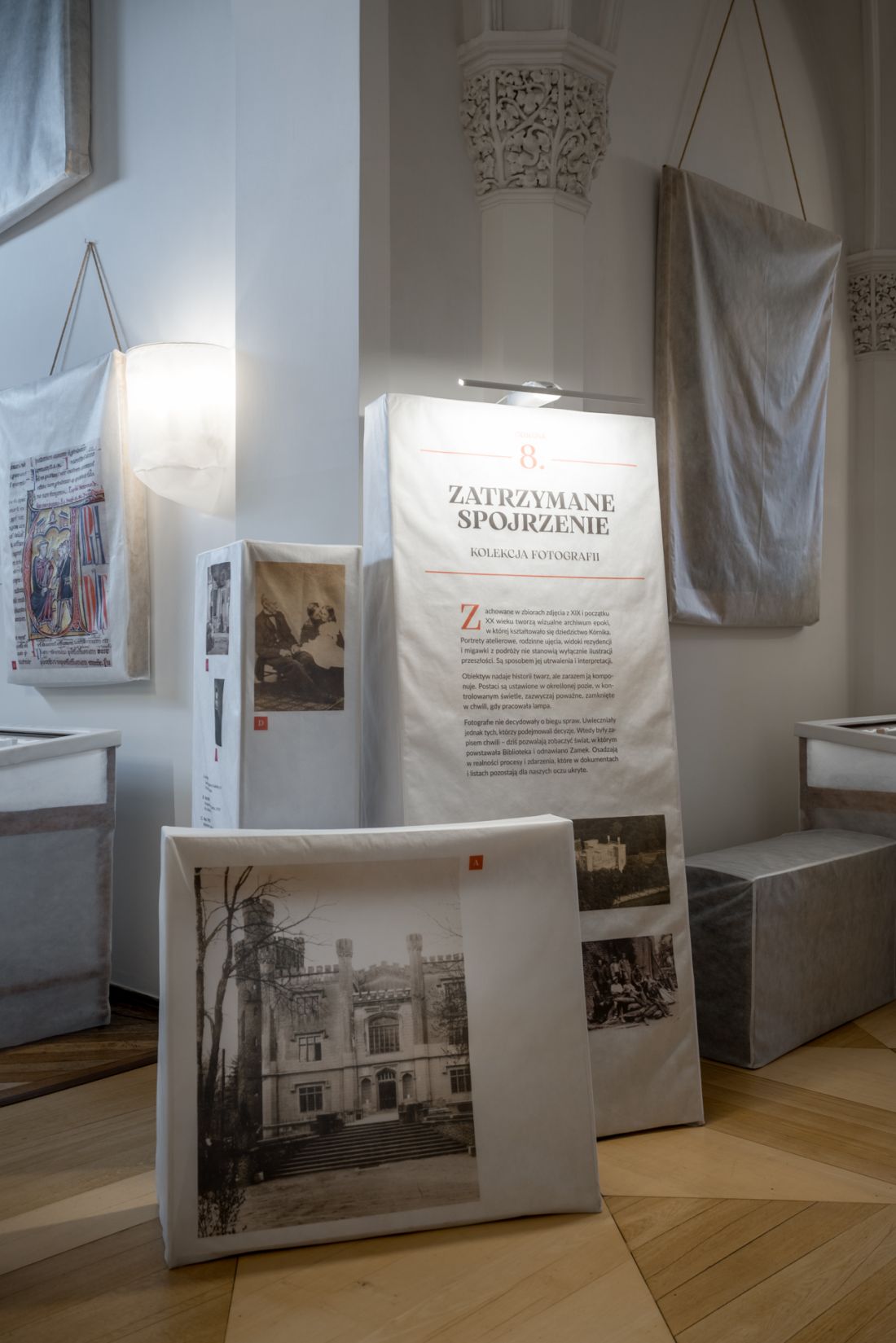
What is covered intrigues—visitors can only guess what lies hidden beneath the fabric, while what is revealed catches the eye; visually separated from its surroundings, it draws attention. Some of the fabrics also serve an informational function; they are carriers of texts, graphics, and descriptions that organize the space as “protective covers for knowledge.”
We talk with architect Anna Pilawska-Sita about the exhibition “Surrounded by Care: The Kórnik Heritage in Nine Scenes—600 Years of the Castle, 200 Years of the Library”
Ola Kloc: Where did the idea for this type of exhibition come from?
Anna Pilawska-Sita: When designing an exhibition, I always start by trying to define the issue—the one the viewer is subconsciously meant to “stumble upon.” Added to this is the venue where the exhibition is to take place. Sometimes it’s possible to incorporate that context into the exhibition and engage in a dialogue with it.
During our initial discussions about the exhibition, the director of the Kórnik Library, Prof. Magdalena Biniaś-Szkopek—who is also one of the three curators of this exhibition (Małgorzata Cieliczko, Magdalena Marcinkowska), told me about working with objects from the collection. I asked her if I could take a closer look at these objects. And so I spent the entire day with the collection curators, Edyta Bątkiewicz-Szymanowska and Magdalena Marcinkowska, leafing through, page by page, extraordinary books, manuscripts, letters, and photographs. They explained to me what I was touching: that this item has vellum pages, which is why you can see characteristic little dots on the pages; that handwritten notes have been preserved here; that in another case, the cover is more valuable than the book itself, because it was made from a 12th-century manuscript that had been used as waste paper. In those days, books were bound according to the buyer’s individual wishes, with no attention paid to the temporary cover. They also showed me private letters to which samples of lace had been pinned with a silver pin. It turned out that, despite the passage of time, the paper was completely intact.
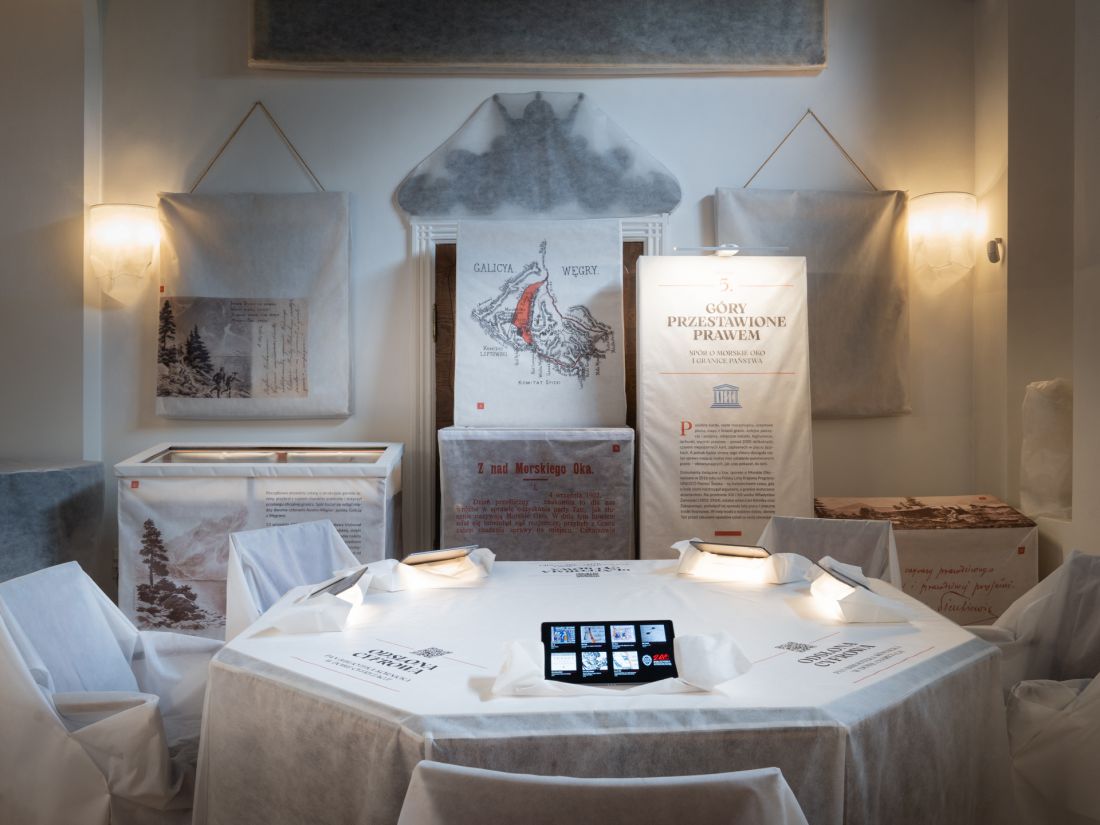
Exhibition: “Surrounded by Care: The Kórnik Heritage in Nine Chapters—600 Years of the Castle, 200 Years of the Library”
Photo: Romuald Lewandowski
Ola Kloc: From a designer’s perspective, what gave you such an intimate experience of these collections?
Anna Pilawska-Sita: Interacting with these objects made me realize how crucial—and how difficult—the tension is between the need to make them accessible to the public and the need to protect them so they can survive for future generations. Highlighting this internal conflict—which is the very soul of the entire exhibition—became our top priority.
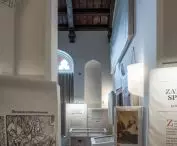
Another key aspect was the space itself. The room designated for this exhibition is part of the permanent collection. We could not remove the objects located within it. By leaving them in their original places, along with the dominant neo-Gothic architecture of the interior, we were able to capture the full context of the paintings, furniture, and history.
Exhibition: “Surrounded by Care: The Kórnik Heritage in Nine Chapters—600 Years of the Castle, 200 Years of the Library”
photo: Romuald Lewandowski
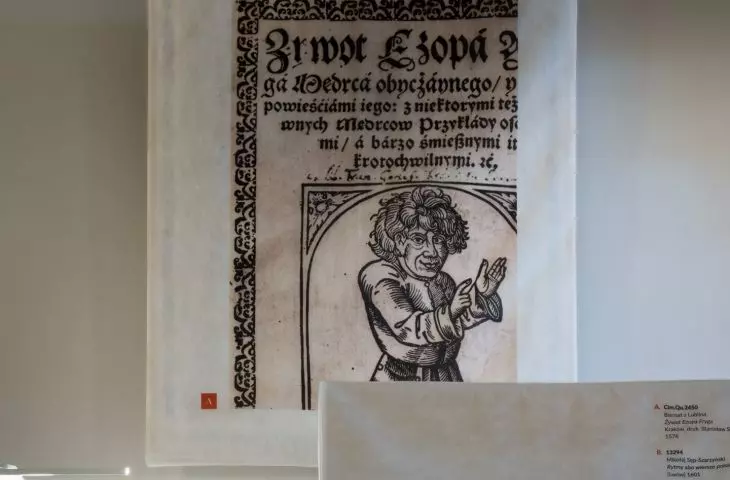
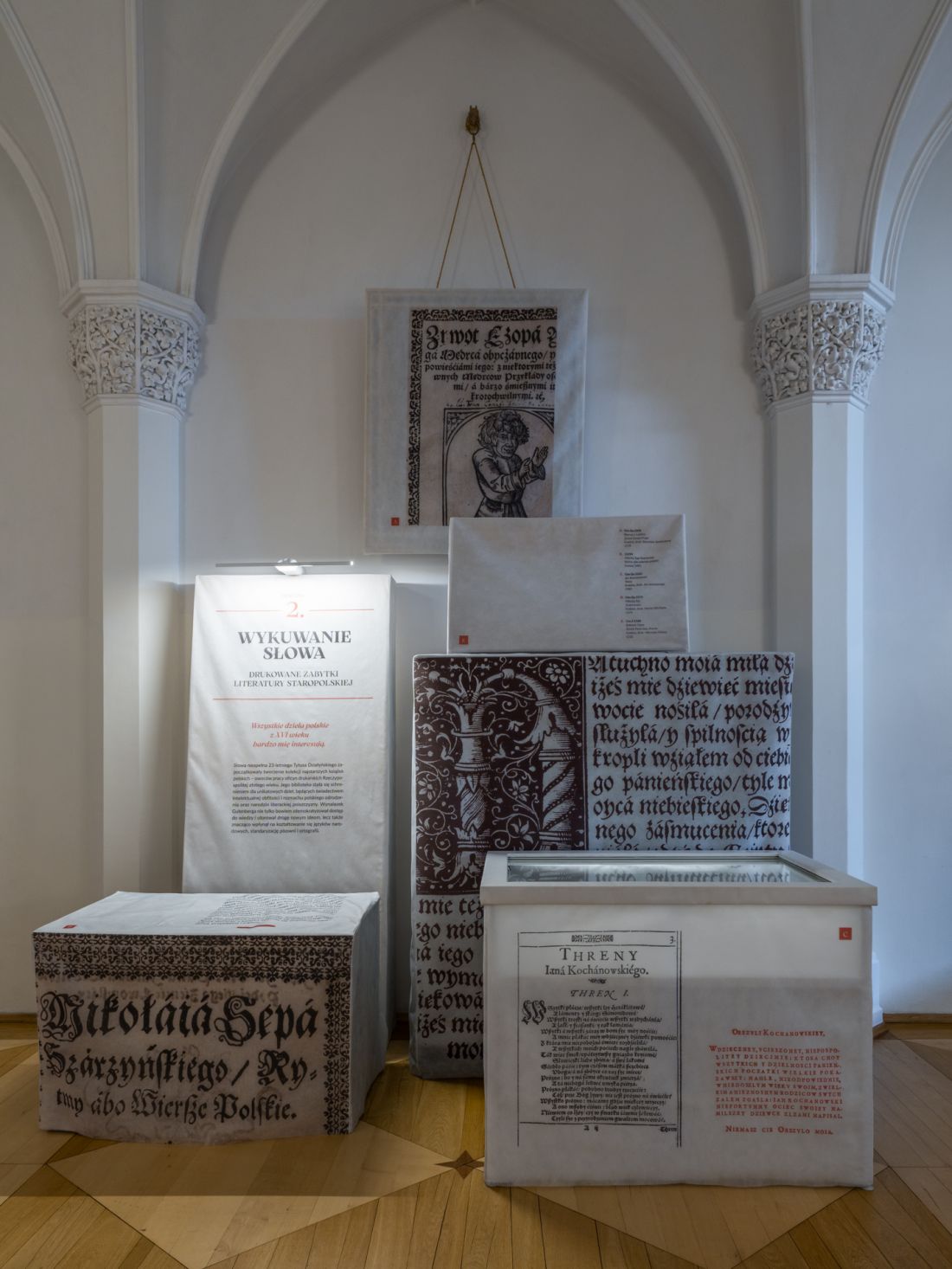
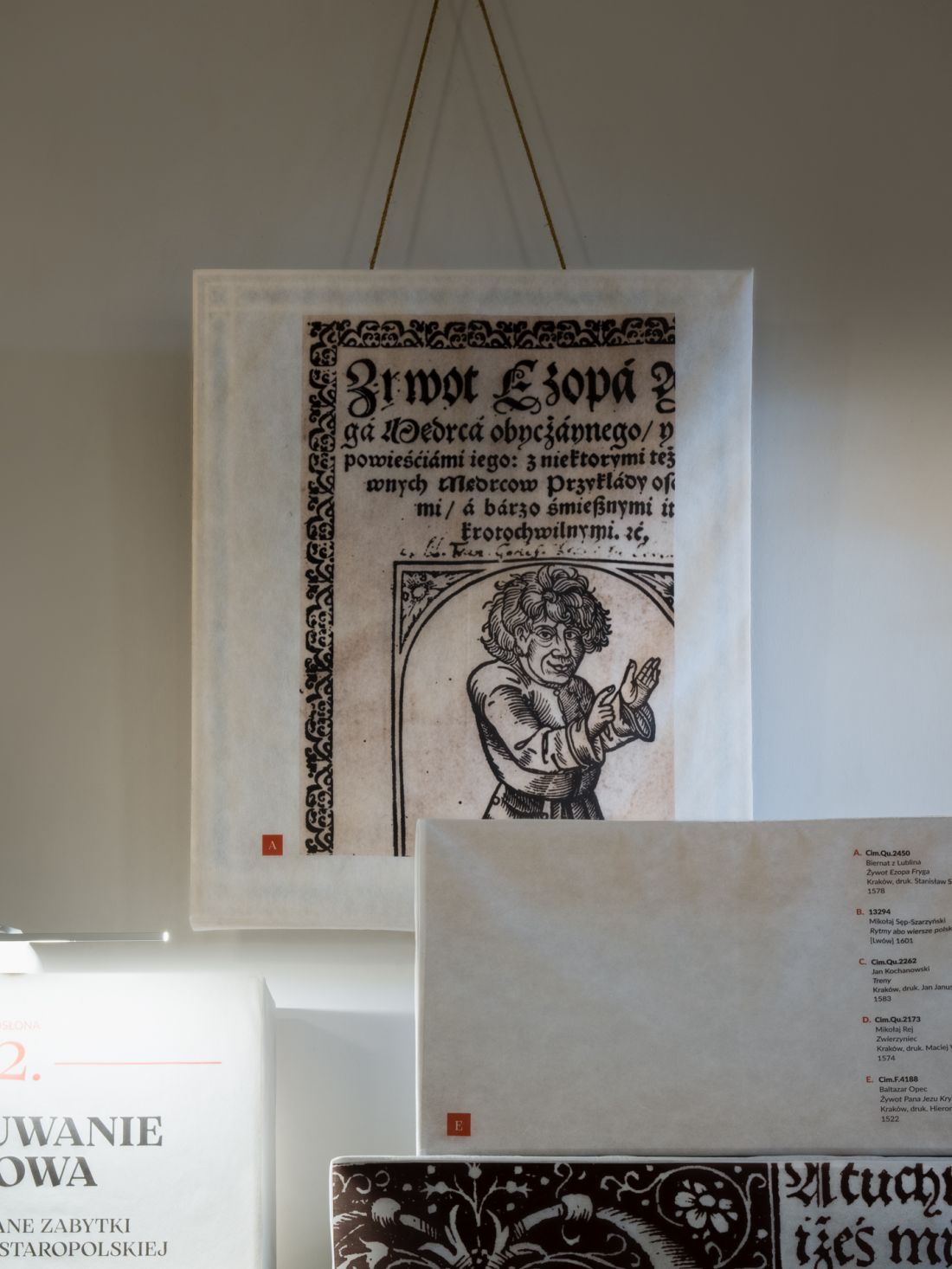
I thought long and hard about how to address such a complex issue—engaging with heritage that remains inaccessible to the viewer—in a room overflowing with heritage that is accessible, but for other reasons? How could I combine the stories arising from the existing space with a new, central narrative—the story of the Library’s collections? The answer turned out to be surprisingly simple. Museum objects that are protected from dust, UV radiation, or during transport are simply shielded and covered. I thought that this “hiding” and “wrapping” would best highlight the problem. Paradoxically, covering the objects can draw more attention to them. Hence the idea of covering the exhibits and using these materials as surfaces for prints that explain the context of the exhibition and convey the messages that were so important to the Library team.
Ola Kloc: So what was revealed, and what was covered?
Anna Pilawska-Sita: Since we decided on such a bold gesture of covering things up, we had to apply it consistently. We wanted to create a kind of landscape that would guide the viewer and suggest what to look at and how to understand the space. It was precisely this covering that was meant to build the atmosphere. You can’t create a landscape halfway—just as you can’t create a forest by planting only two trees. Here, we had to cover almost everything.
I must mention Justyna Lewandowska-Stosik, who helped us find the form for this “wrapping.” The covering itself was only half the task. The other half was finding a form that would make the gesture clear and deliberate, rather than looking like a random protective measure.
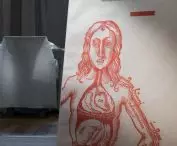
Another extremely important element was the prints—that is, revealing the details, ornaments, and figures drawn from the exhibited books. Here, the experience and artistic sensibility of graphic designer Agnieszka Juraszczyk proved invaluable.
Exhibition: “Surrounded by Care: The Kórnik Heritage in Nine Chapters—600 Years of the Castle, 200 Years of the Library”
Photo: Romuald Lewandowski
Ola Kloc: The exhibition showcases the most valuable collections, which have been “surrounded by care” until now—collections so special that they require—especially the manuscripts and papers—rigorous conditions. What was your collaboration with the conservation team like? What did you have to pay particular attention to?
Anna Pilawska-Sita: The first step was to learn how objects are professionally protected and what daily preventive conservation in a museum entails. That’s where the idea to use interlining came from, following consultations with Krzysztof Kalitka, a senior specialist and head of the Museum Conservation Department at the National Museum in Poznań. Later, we began looking for specific methods and solutions to “wrap” the entire exhibition. Two conservators work at the Kórnik Library—Aleksandra Kwiatkowska and Aleksandra Wysokińska—who have been involved in the project from the very beginning.
The exhibition “Surrounded by Care: Kórnik’s Heritage in Nine Chapters—600 Years of the Castle, 200 Years of the Library”
photo: Romuald Lewandowski
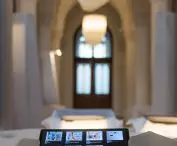
The biggest challenge was the lighting. I invited Weronika Strzelec from Lumi Studio to collaborate with me, and she helped create almost “greenhouse-like” conditions for the exhibited objects.
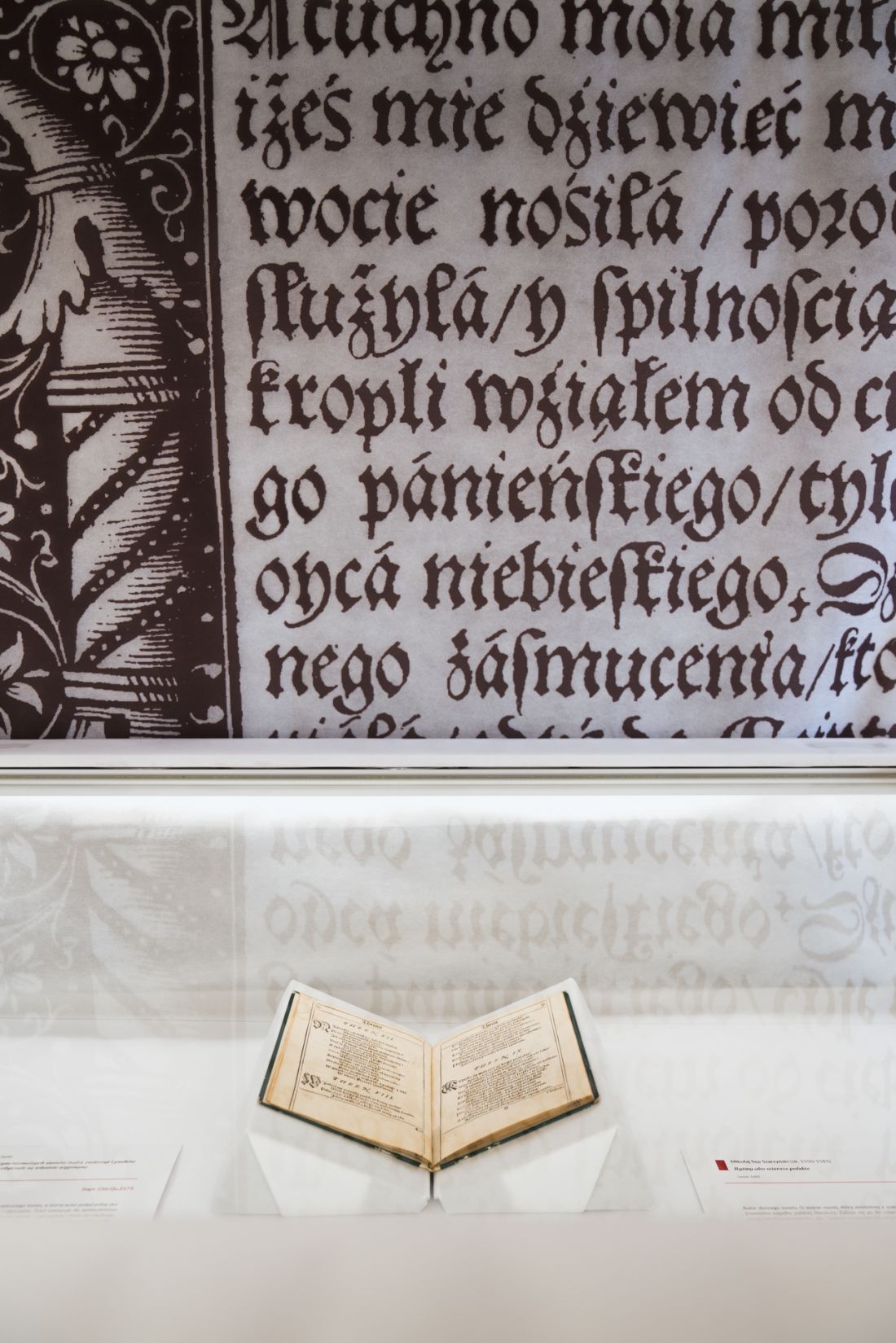
The second challenge was the printing on the non-woven fabric itself. We had to develop a technology that conservators would approve for use with historic artifacts. This required close collaboration with the incredibly patient and experienced printer Kuba Kaźmierczak from the Premium Druk printing house.
Exhibition: “Surrounded by Care: The Heritage of Kórnik in Nine Chapters—600 Years of the Castle, 200 Years of the Library”
Photo: Romuald Lewandowski
Collaboration with the team at Kórnik Castle was also a key element. I remember that when I sent the design, I received many extremely valuable comments regarding the interiors themselves and the historical furnishings. One of them, provided by Małgorzata Potocka, concerned the supraports above the doors. Their crowns are mounted on movable elements, so special care had to be taken when “wrapping” them.
Ola Kloc: This is a living exhibition; the exhibits in the display cases are rotated from time to time. What was the biggest challenge in designing such an unusual, dynamic exhibition?
Anna Pilawska-Sita: Working with such unique objects always involves a tremendous sense of responsibility. But setting aside their value and the risk of damage for a moment, I think the biggest challenge was making sure the exhibits themselves truly came to life. So they wouldn’t get lost in this whole “enveloping” landscape.
The exhibition was designed so that the viewer could discover the objects within this landscape. It was very important to me that the amount of material surrounding the display cases build anticipation and make the moment of looking at the exhibit itself feel special. That the atmosphere of the surroundings lead to an encounter with the object.
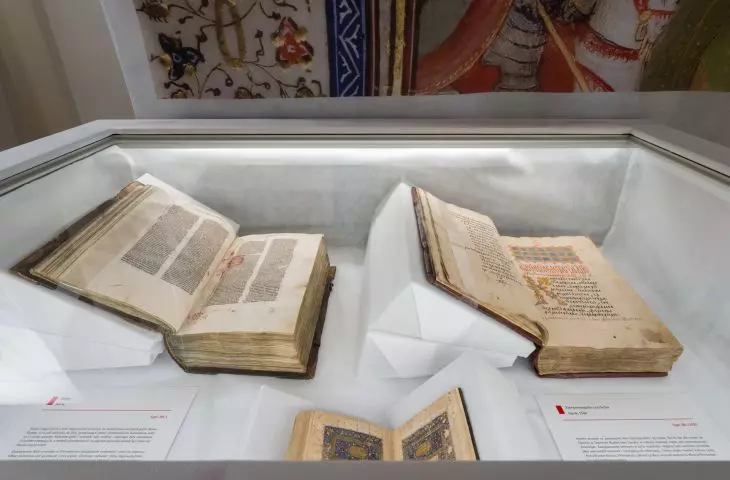
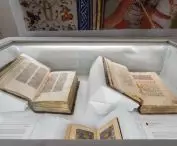
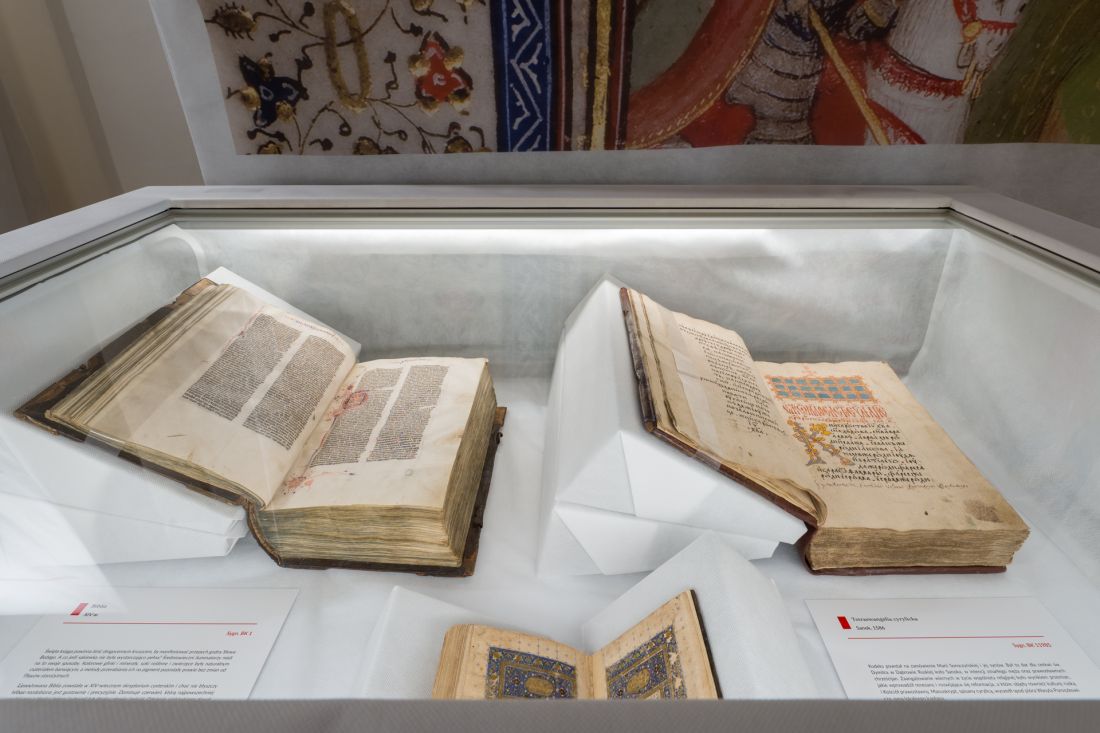
Books aren’t usually displayed against a white background, because the paper already appears white. Display cases are often lined with red or orange velvet to highlight the book’s material and create contrast. We also conducted such experiments, testing various colors. Ultimately, we tried using non-woven fabric inside the display cases as well. And something completely unexpected turned out—the books aren’t white at all! The non-woven fabric created an exceptionally neutral background that gave the objects space and a sense of calm. That’s when we decided to extend the covering treatment to the interior of the display cases as well. It was a big surprise to me. I like moments like that.
Exhibition: “Surrounded by Care: The Kórnik Heritage in Nine Chapters—600 Years of the Castle, 200 Years of the Library”
photo: Romuald Lewandowski
Ola Kloc: This isn’t your first exhibition design—as an architect, how do you find your place in creating this type of work?
Anna Pilawska-Sita: Exhibition design is one area of my work. It’s not the only thing I do, but it’s the part of my work that I particularly value.
Exhibition design allows me to focus on a space, analyze it centimeter by centimeter, and try to discover its new identity—one that addresses the challenge posed by a given exhibition. For me, designing exhibitions is a bit like building a landscape. It’s a very complex system of meanings that should nevertheless feel natural and harmonious. Even if an exhibition is based on a bold spatial gesture, the design must still remain in the background. Its role is to reinforce the message, not to drown it out. It is precisely this process of constructing meaning through space that fascinates me the most. It requires an awareness of materials, light, proportions, and the emotions evoked by a place. It’s a type of design in which architecture becomes a story.
Ola Kloc: Thank you for the interview.